
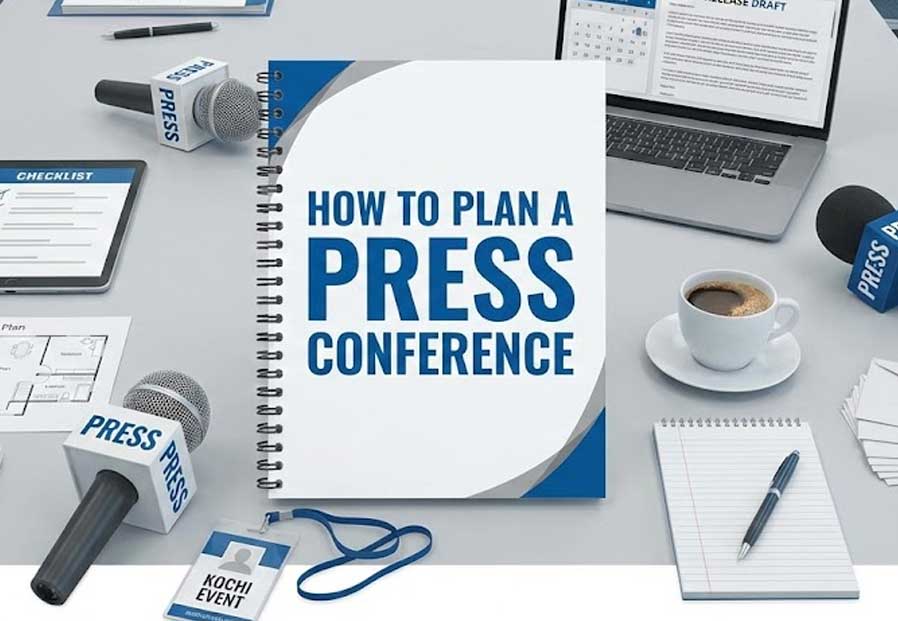
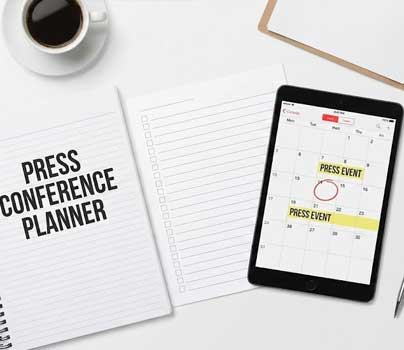
A press conference is a powerful communication tool used by organizations, businesses, public figures, and institutions to share important news directly with the media. When planned well, it helps deliver clear messages, gain credible media coverage, and manage public perception. However, a poorly planned press conference can lead to confusion or negative attention. Here is a step-by-step guide on how to plan a successful press conference.
The first step in planning a press conference is to clearly define its objective. A press conference should only be held when the information being shared is newsworthy and relevant to the media.
Common purposes include:
Having a clear purpose helps shape the message, select the right speakers, and invite the appropriate media.
Not all media outlets are relevant for every press conference. Identify which newspapers, television channels, digital platforms, and journalists best align with your announcement.
Consider:
Creating a targeted media list increases attendance and ensures meaningful coverage.
Timing plays a crucial role in the success of a press conference. Select a date and time that works well for journalists and avoids major competing news events.
Best practices include:
Giving media adequate notice improves turnout.
The venue should be convenient, accessible, and appropriate for the nature of the announcement. It could be a hotel conference hall, office premises, event venue, or press club.
Ensure the venue has:
A professional setting adds credibility to the event.
Clear and consistent messaging is essential. Identify 2–3 key points you want the media to take away from the press conference.
Prepare supporting materials such as:
These materials help journalists report accurately and efficiently.
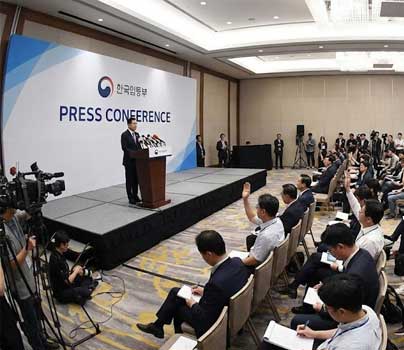
Choose spokespersons who are knowledgeable, confident, and authorized to speak on behalf of the organization. Brief them thoroughly on key messages and possible questions.
Spokespersons should:
Media training, if available, can significantly improve performance.
Send formal media invitations well in advance, including details such as date, time, venue, agenda, and contact information.
Follow up with journalists through calls or messages to confirm attendance. Personal follow-ups often improve media participation.
On the day of the event, ensure smooth coordination and time management.
A typical press conference flow includes:
Assign a moderator to manage questions and keep the discussion focused.
Be prepared for tough or unexpected questions. If the press conference is held during a sensitive situation, maintain transparency, empathy, and clarity.
If a question cannot be answered:
How questions are handled often determines media perception.
The work does not end when the press conference concludes. Post-event follow-up is critical for coverage.
This includes:
Evaluating media response helps improve future press conferences.
Avoiding these mistakes enhances credibility and effectiveness.
Planning a press conference requires strategic thinking, detailed preparation, and effective execution. When done correctly, it helps organizations communicate important messages clearly, build trust with the media, and shape public opinion.
A well-planned press conference is not just an event—it is a strategic communication opportunity that can significantly influence how your story is told.